After more than a year of dedicated effort, Dr. Wen Zhang’s research team successfully delivered the first industrial-grade ozone nanobubble generator, developed in collaboration with Purenano Tech. The recipient, Geogreen—a pioneering urban indoor farm in New Jersey—received the system on August 1, 2025. Dr. Zhang and his Ph.D. student, Yihan Zhang, worked alongside Geogreen’s founder, Desmond Hayes, to install the unit at the farm’s laboratory, where it will be tested for reclaimed water disinfection and surface cleaning. This initiative is supported by funding from the EPA Pollution Prevention (P2) Program (NP-96259122-0) and the CSTI program.
Conversion of ozone gas into nanobubbles in water may address current ozonation challenges.1 For example, the low buoyancy and high surface-to-volume ratio of ozone nanobubbles permit greater transfer efficiency and retention time of ozone into water and thus enable long-lasting disinfection power.2 Previous studies reported that ozone nanobubbles increased the dissolved O3 concentration and mass transfer coefficient by 1.7 and 4.7 times respectively, compared to ozone microbubbles (the bubble diameter less than 1 µm).1, 3 Moreover, ozone nanobubble has a half-life that is 23 times longer than O3 microbubbles and can generate higher concentrations of hydroxide radicals (•OH) than regular ozonation.3-5 Particularly, some previous studies reported that ozone nanobubbles water is more effective in reducing algal toxins and inactivating pathogens in synthetic and real waters.6, 7 Thus, ozone nanobubbles have the potential to enhance water disinfection through the improved ozone solubility, elevated oxidation capacity, and enhanced interactions with chemical and biological contaminants.
References
1. Atkinson, A. J.; Apul, O. G.; Schneider, O.; Garcia-Segura, S.; Westerhoff, P., Nanobubble Technologies Offer Opportunities To Improve Water Treatment. Acc Chem Res 2019,52 (5), 1196-1205.
2. Fan, W.; An, W.; Huo, M.; Xiao, D.; Lyu, T.; Cui, J., An integrated approach using ozone nanobubble and cyclodextrin inclusion complexation to enhance the removal of micropollutants. Water Research 2021,196, 117039.
3. Yang, X.; Chen, L.; Oshita, S.; Fan, W.; Liu, S., Mechanism for Enhancing the Ozonation Process of Micro- And Nanobubbles: Bubble Behavior and Interface Reaction. ACS ES&T Water 2023.
4. Arrojo, S.; Nerin, C.; Benito, Y., Application of salicylic acid dosimetry to evaluate hydrodynamic cavitation as an advanced oxidation process. Ultrasonics Sonochem 2007,14 (3), 343-349.
5. Soyluoglu, M.; Kim, D.; Karanfil, T., Characteristics and Stability of Ozone Nanobubbles in Freshwater Conditions. Environmental Science & Technology 2023,57 (51), 21898-21907.
6. Jhunkeaw, C.; Khongcharoen, N.; Rungrueng, N.; Sangpo, P.; Panphut, W.; Thapinta, A.; Senapin, S.; St-Hilaire, S.; Dong, H. T., Ozone nanobubble treatment in freshwater effectively reduced pathogenic fish bacteria and is safe for Nile tilapia (Oreochromis niloticus). Aquaculture 2021,534, 736286.
7. He, H.; Zheng, L.; Li, Y.; Song, W., Research on the feasibility of spraying micro/nano bubble ozonated water for airborne disease prevention. Ozone: Sci & Eng 2015,37 (1), 78-84.
Dr. Wen Zhang and his research team from NJIT presented three impactful posters at the 2025 USDA QUAD-AI ENGAGE Workshop, held at Georgia Tech. The team highlighted cutting-edge applications of nanobubble technology for sustainable agriculture and food safety.
Dr. Shan Xue demonstrated how irrigation with nanobubble-enriched water significantly boosts crop growth—reducing the grow cycle by up to 30% and increasing plant yield by as much as 80% over one year. This technology also improved soil structure and nutrient uptake while reducing biofilm formation in irrigation systems.
Dr. Nguyen Nhat Thu Le explored the microbiological impacts of nanobubbles on tomato rhizosphere. Her study revealed that oxygen and nitrogen nanobubbles reshaped the microbial community, enhancing beneficial bacteria linked to nutrient cycling and plant resistance—ultimately promoting healthier and more robust tomato growth.
Dr. Wen Zhang presented results from an EPA-funded project on ozone nanobubbles for food disinfection. His work showed that ozone nanobubbles outperform traditional sanitizers by achieving more effective pathogen reduction with fewer harmful residues, offering a safer and more sustainable approach to cleaning produce and equipment.
This event underscored the growing synergy between AI, nanotechnology, and sustainable agriculture—and the NJIT team’s commitment to driving innovation across these domains.
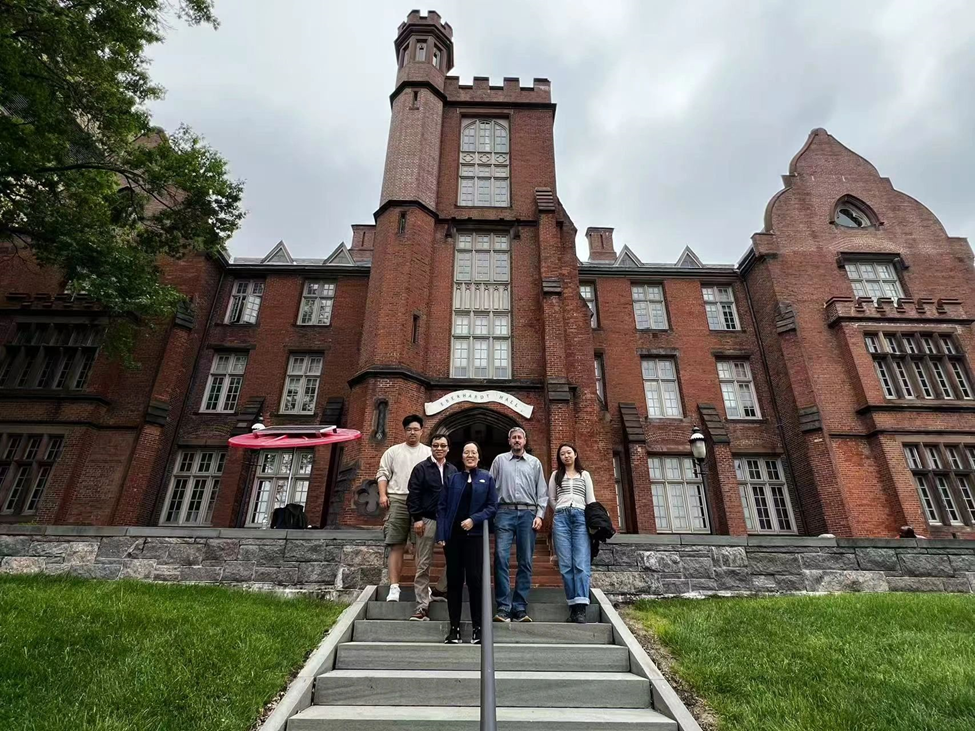
Dr. Zhang felt a deep sense of nostalgia and pride as he revisited Yongsheng Chen’s Laboratory at Georgia Tech—his academic home during his Ph.D. years. Standing once again in the lab where countless hours of research and discovery shaped his early scientific career brought back vivid memories. Seeing his name still listed on the lab contact sheet was a touching reminder of his enduring connection to the lab and its legacy.
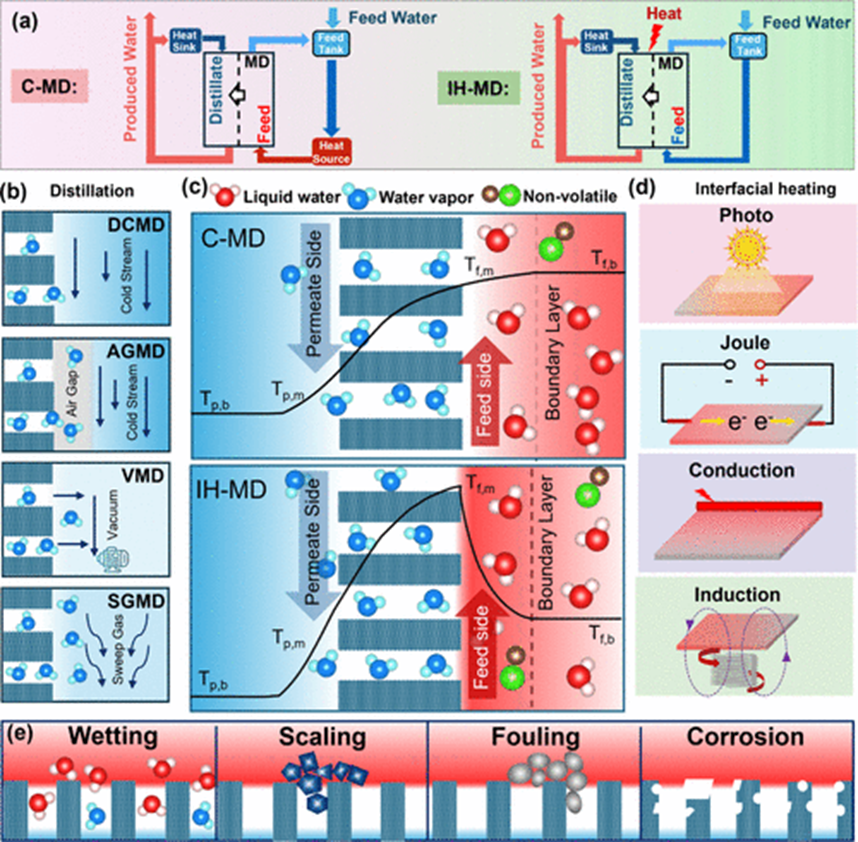
My postdoc, Dr. Jiahui Hu and my Ph.D. student (Guangyu Zhu) spent over 1 years on this critical review paper, “Interfacial Heating in Membrane Distillation: Advances, Optimization Strategies, and Industrial Applications for Desalination”, which is finally published in Environmental Science & Technology.
This paper highlights the potential of interfacial heating (IH) membrane distillation (MD) as an advanced desalination technology capable of efficiently producing freshwater from seawater and brine. Unlike conventional MD, IH-MD delivers localized heat at the membrane-saline water interface, enhancing vapor flux and reducing heat loss. Despite significant progress, a unified understanding of IH-MD system performance is still lacking, and practical challenges such as membrane wetting, scaling, fouling, and corrosion—resulting from the incorporation of heating materials—hinder industrial application.
The review critically examines four major IH-MD approaches: photothermal, Joule, conduction, and induction heating. Photothermal heating offers sustainability and improved energy efficiency but is constrained by sunlight availability and material stability, while electrothermal methods ensure steady interfacial flux at the cost of higher energy consumption and potential material degradation.
Strategies to enhance system performance and durability are discussed, including hybrid heating methods, optimized module designs, tailored membrane properties, and refined operating conditions. The review also evaluates the economic feasibility of IH-MD technologies for industrial deployment. While IH-MD faces challenges in material stability, system complexity, and scalability, its potential to mitigate thermal polarization, reduce energy demand, and integrate with renewable energy sources positions it as a transformative solution for sustainable desalination and water treatment.
This review aims to bridge the gap between scientific advances and real-world applications, offering insights to guide future research and commercialization of IH-MD technologies. We are grateful for the support from the U.S. Bureau of Reclamation (Award R22AC00433) and all co-authors for sharing their expertise and critical evaluations to this paper.
First author: Jiahui Hu Corresponding author: Wen Zhang
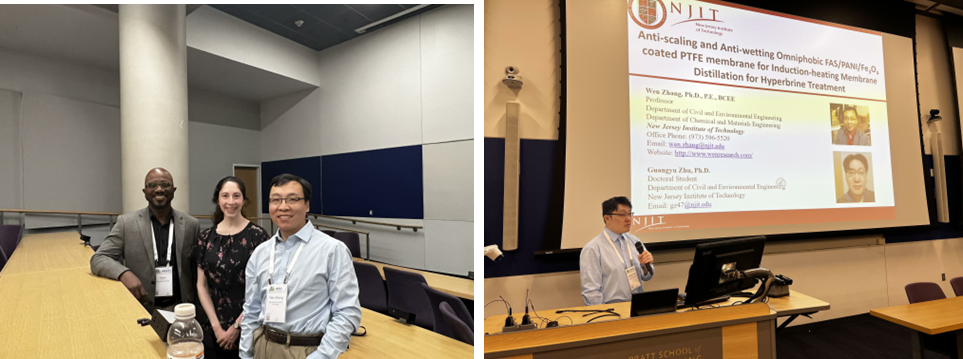
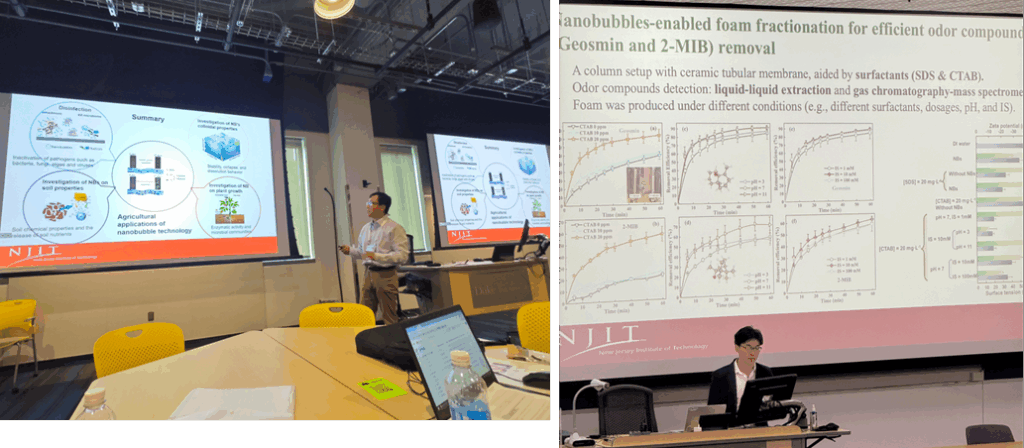
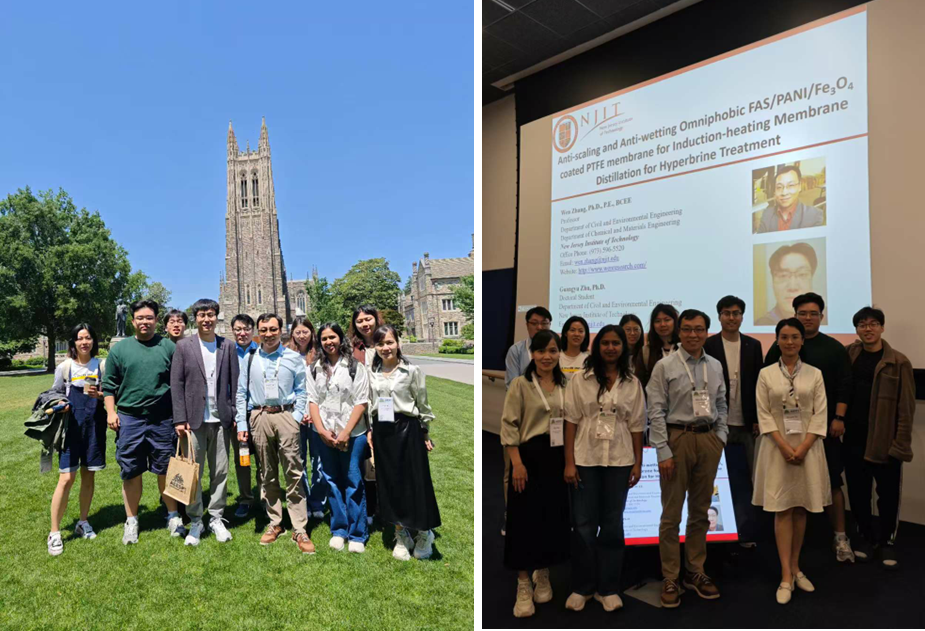
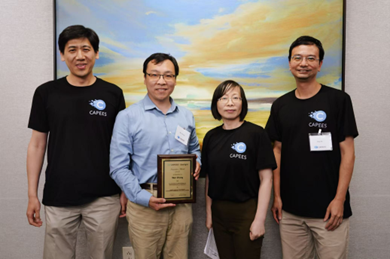
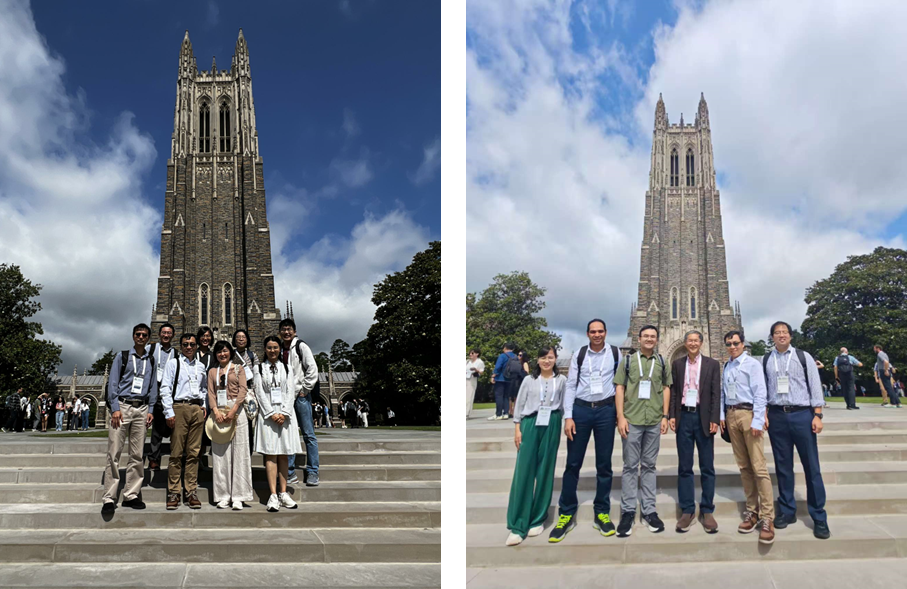
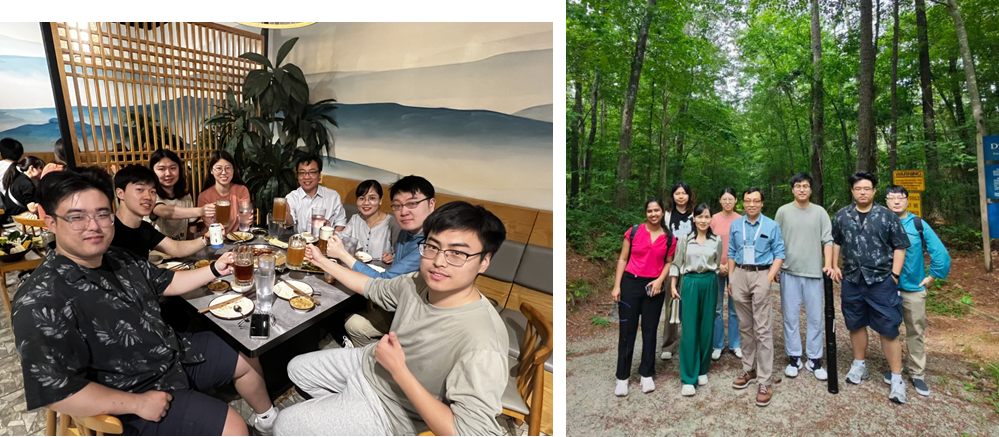
Our group had a highly productive and memorable time at the 2025 Association of Environmental Engineering and Science Professors (AEESP) Research and Education Conference. We are grateful to the organizers, symposium chairs, and fellow participants for creating such an engaging and collaborative environment. From scientific discussions to social mixers, every moment contributed to a rewarding experience—highlighted by reconnecting with old colleagues and forming new collaborations over oysters, cocktails, and vibrant poster sessions.
📢 Oral Presentations
We were proud to share our latest research through three oral presentations:
Yihan Zhang – Nanobubble-Based Foam Fractionation Removal of Algae and Algogenic Pollutants
Guangyu Zhu – Anti-Scaling and Anti-Wetting Omniphobic FAS/PANI/Fe₃O₄-Coated PTFE Membrane for Induction-Heating Membrane Distillation in Hyperbrine Treatment
Wen Zhang – Nanobubble-Enriched Hydrogels for Sustainable Agriculture: Enhancing Water and Nutrient Delivery to Boost Plant Growth
🧪 Poster Presentations
Eight of our group members presented exciting findings across diverse environmental and materials science topics:
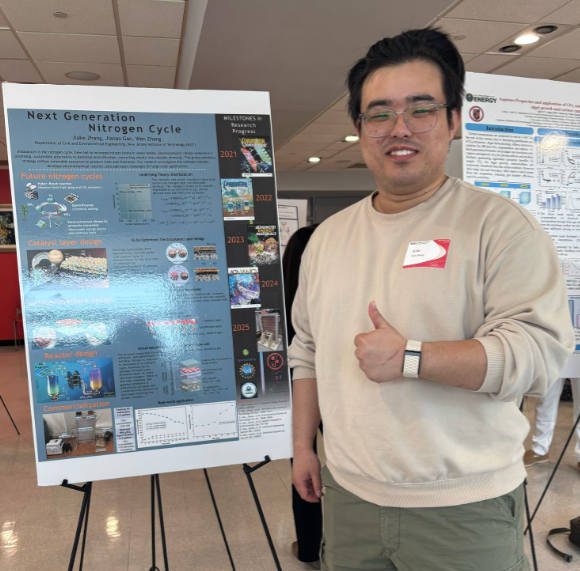
Jiahe Zhang – Ammonia Recovery from Wastewater Using Integrated Tunable Electrochemical Systems
Yihan Zhang – Nanobubble-Enabled Foam Fractionation: Characterization and Application for PFAS Removal in Complex Water Matrices (RO Retentate and Landfill Leachate)
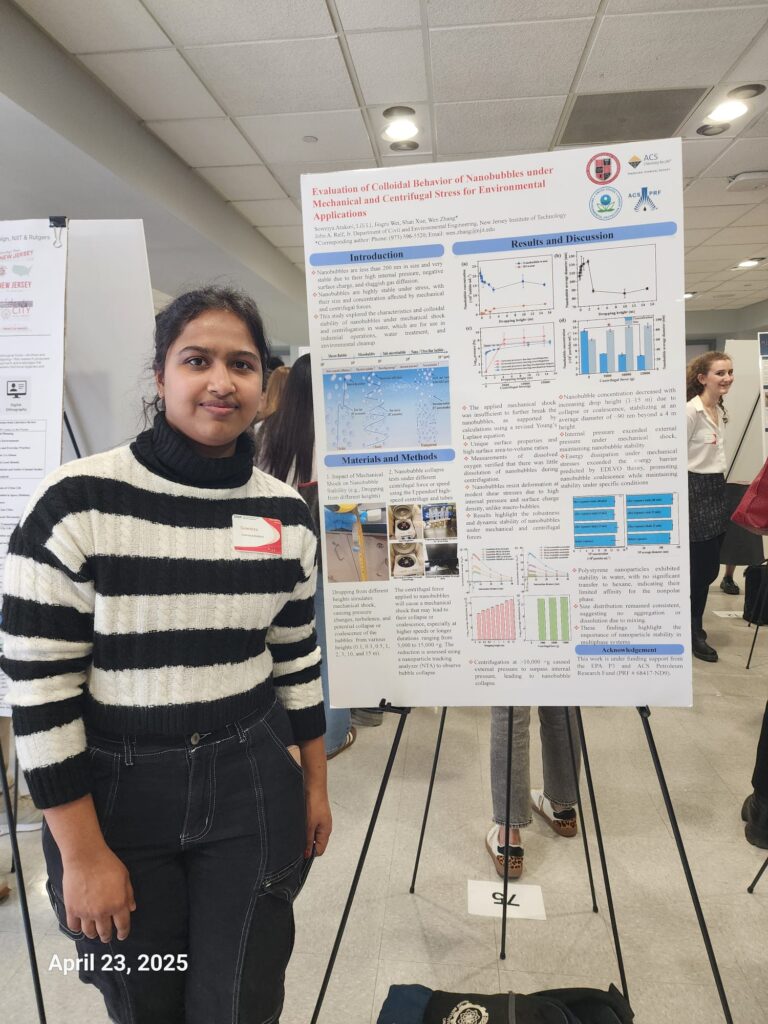
Sowmya Atukuri – Colloidal Behavior of Nanobubbles Under Mechanical and Centrifugal Stress for Environmental Applications
Hui Mu – Oyster Shells as Sustainable Promoters for Methane Production from Starch Wastewater: Feasibility, Mechanism, and Implications
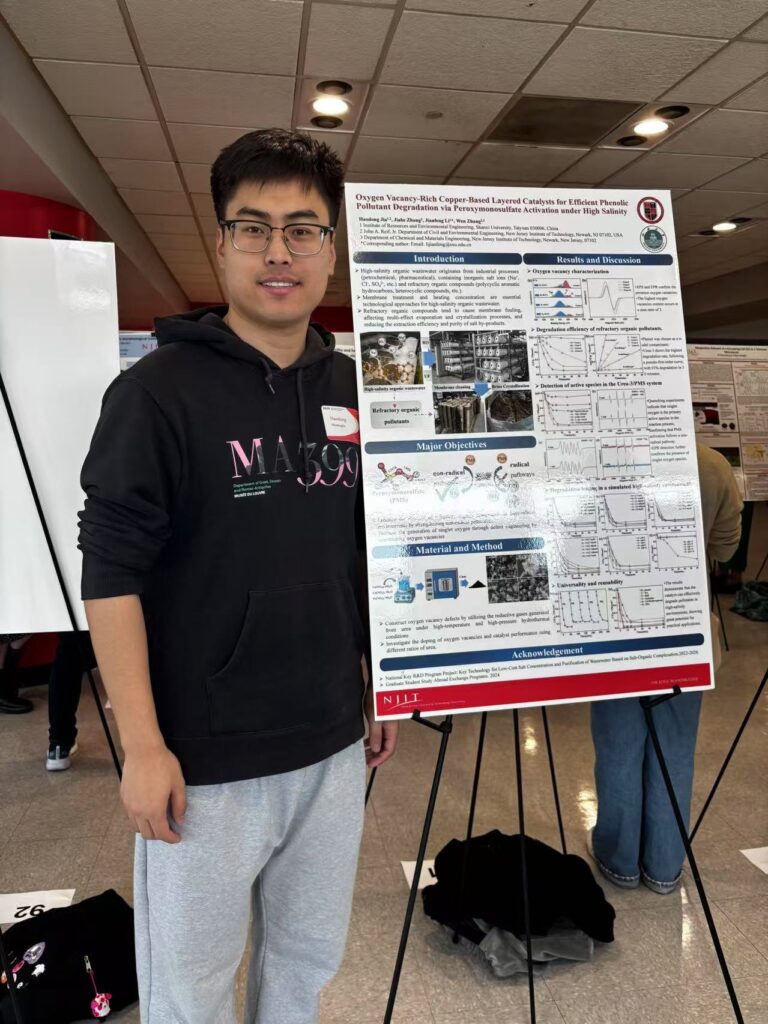
Haodong Jia – Oxygen Vacancy-Rich Copper-Based Layered Catalysts for Efficient Phenolic Pollutant Degradation via Peroxymonosulfate Activation Under High Salinity
Wencong Xing – Photoaged Microplastic-Derived DOM Promotes Hg(II) Reduction Under Dark Conditions
Jingru Wei – Colloidal Behavior of Nanobubbles and Applications in Oil Dispersion and Soil Remediation
Lai Wei – Simultaneous Adsorption of Orthophosphate and Phosphonate by Zirconium-Modified Biotite: Implications for Reverse Osmosis Concentrate Treatment
🙏 Acknowledgments
We sincerely thank the following funding agencies and programs for supporting our research and student participation:
NOAA Prevention, Control, and Mitigation of HABs (PCMHAB) Award (NA22NOS4780172) via UMCES and US HAB-CTI
U.S. Department of the Interior – Bureau of Reclamation (R19AC00107)
ACS Petroleum Research Fund (PRF #68417-ND9)
USDA NIFA AFRI Projects [2018-07549] and [2023-10308]
NSF/BSF Collaborative Project (Award #2215387)
2024 NJIT Technology Innovation Translation and Acceleration (TITA) Seed Grant Program
We return from AEESP energized and inspired to continue advancing research at the intersection of environmental engineering, nanotechnology, and sustainable systems.
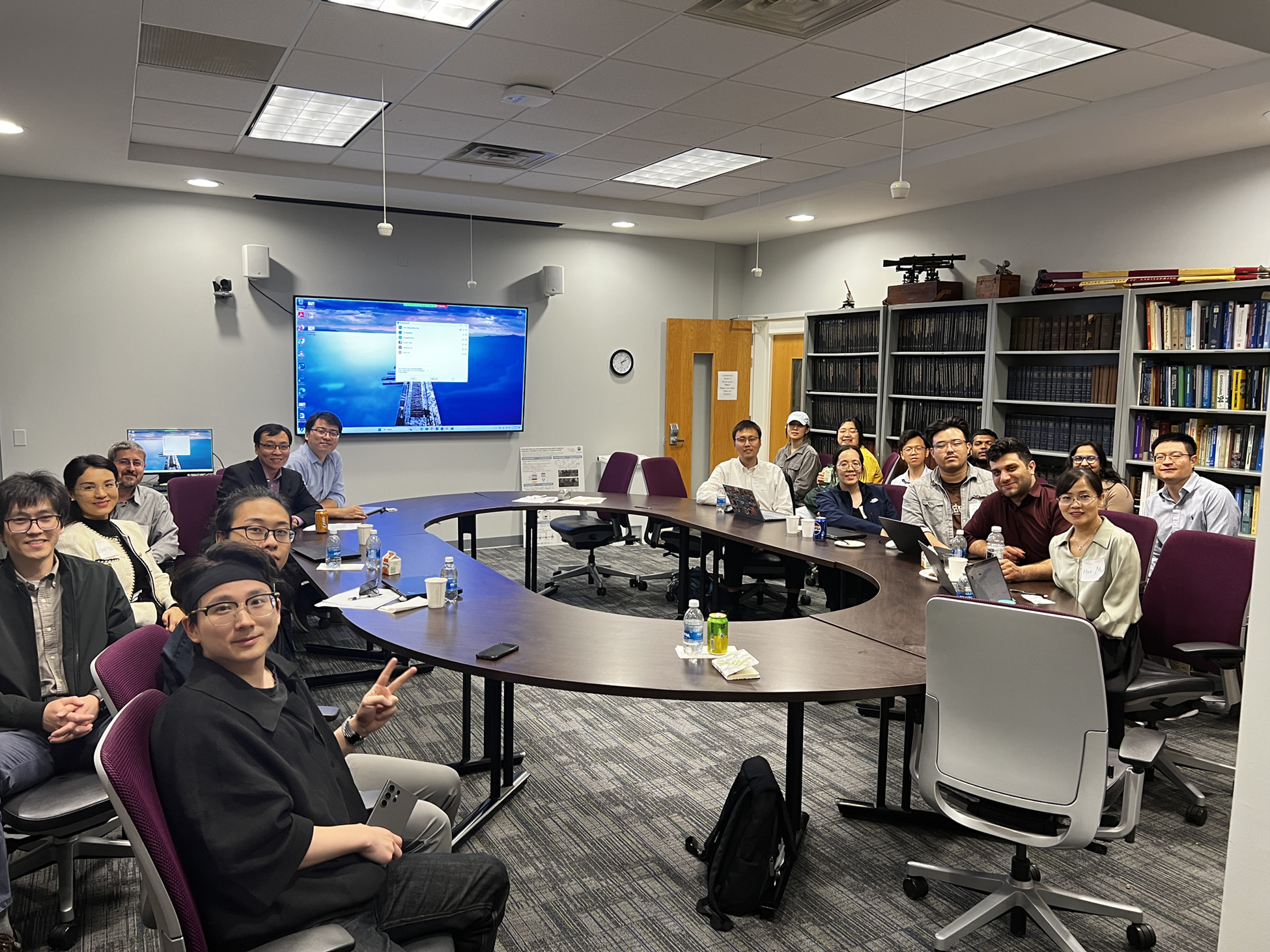
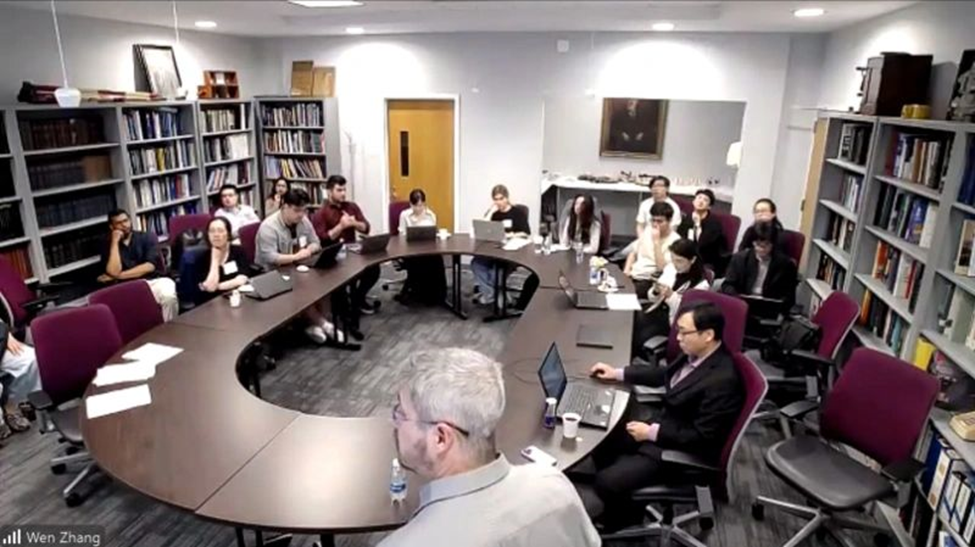
I would like to extend my heartfelt thanks to Workshop Attendees and Speakers for joining us at the recent workshop on Electrochemical and Reactive Membrane Technologies for Water and Air Treatment on 05/16/2025. Your participation, insightful questions, and collaborative spirit made the event a true success.
Special thanks to our speakers—Dr. Avner Ronen, Dr. SHUYAN YU, Dr. Lijie Zhang and Mr. Mohammadali Vafaei, Dr. Mengqiang Zhao and Mr. Dheeban Govindan, Dr. Yifan Gao, Jiahe Zhang, and my research team—for delivering such engaging and thought-provoking presentations. The breadth and depth of topics, from ammonia recovery to PFAS degradation and airborne pathogen control, highlighted the innovative work being done across our community. The workshop offered valuable opportunities for knowledge exchange and networking. It was truly a pleasure to see so many talented researchers and professionals come together to share ideas and discuss challenges and emerging solutions in our field.
This event is supported by the NSF/BSF collaborative research grant (Award No. 2215387) and the 2024 Technology Innovation Translation and Acceleration (TITA) Seed Grant Program of The Center for Translational Research at NJIT.
We’re excited to share that our latest work, “Direct Electrosynthesis and Separation Platform for Chlorine from Saline Water”, has been published in Environmental Science & Technology!
In this study, we developed a scalable multilayer electrode system that enables direct electrosynthesis and in-situ separation of chlorine (Cl₂) from real saline waters such as seawater and RO brine. The flow-through configuration of this platform facilitates continuous operation and efficient chlorine recovery directly from complex waste streams. Our platform achieves up to 97% selectivity and nearly 100% separation efficiency, while also suppressing toxic oxychloride byproducts. Importantly, the system produced sodium hypochlorite solutions at practical concentrations (0.53–5.1 wt%) and met strict environmental discharge standards. This work opens new possibilities for decentralized chlorine production, wastewater valorization, and safer, more sustainable electrochemical water treatment.
Grateful for the support from NSF/BSF (award number: 2215387), NJWRRI (award number: G21AP10595-01), and NJIT’s TITA Seed Grant, and special thanks to our collaborators at the Yuma Desalination Plant in Arizona for providing real RO retentate.
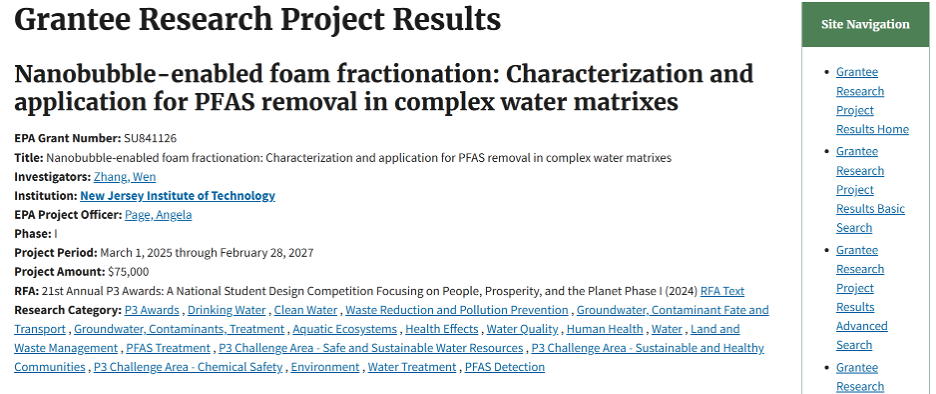
Dr. Zhang’s group is expected to receive two EPA P3 awards again, which is the second time that two EPA awards have been received at the same time. The two project scopes/descriptions are as follows and are expected to start early March, 2025 for two years.
Nanobubbles in water exhibit unique physicochemical and fluid dynamic properties than ordinary macrobubbles. For example, nanobubbles have a long residence time in water due to their low buoyancy and high stability against coalesces, collapse or burst, and the formation of bulk bubbles. Nanobubbles have a higher efficiency of mass transfer compared to bulk scale bubbles due to the high specific surface areas. The high specific surface also facilitates physical adsorption and chemical reactions in the gas liquid interface. The collapse of nanobubbles creates shock waves, which in tum, promotes the formation of hydroxyl radicals (•OH), which may promote degradation of organic matters or disinfection. With respect to foam fractionation, the high surface areas and hydrophobicity of nanobubbles could effectively adsorb and immobilize hydrophobic organic contaminants such as PFAS. This project embarks on nanobubbles to establish foams in water and remove PFAS via a green fractionation separation process that appear to have low energy footprints and leave no chemical residuals. Besides research efforts, new course modules and hands-on experiments will be developed to integrate the research activities into student engagement and education. Undergraduates and graduates in different STEM disciplines (e.g., civil, chemical and environmental engineering) will be recruited to participate in the research project tasks under PI’s team’s mentorship.
Objective:
Perfluoroalkyl and polyfluoroalkyl substances (PFAS), with their omnipresent presence in the environment and toxicity, have recently drawn substantial attention. Without proper treatment, PFAS in wastewater may pollute the subterranean ecosystems, causing pollution to surface water and groundwater. To mitigate PFAS pollution and health impact, different water treatment processes or technologies have been demonstrated including adsorption by powdered activated carbon (PAC) or granulated activated carbon (GAC), anionic ion exchange, nanofiltration (NF), and reverse osmosis (RO). However, they either suffer from high operational cost or insufficient removal ability for PFAS in wastewater with complex water matrixes. This project aims to develop a nanobubble-enabled foam fractionation process to remove PFAS from wastewater. The project will examine (1) the colloidal properties of nanobubble foam under variations of water chemical properties such as pH changes, salinity and presence of co-existing natural organic matters and synthetic surfactants, (2) the removal efficiency of PFASs with different carbon chain lengths in synthetic water and real water that may simulate contaminated ground water, landfill leachate and brine wastewater from regenerate backwash processes in reverse osmosis membrane filtration and ion exchange, (3) comparison of PFAS removal performances of foam fractionation using nanobubbles, microbubbles and macro bubbles that may yield different foaming ability and structures. The project findings will provide an insight for novel low-cost and sustainable water purifying technologies for complex wastewater. The scientific merits from this project include: (1) increasing the removal efficiency of the recently most concerned contaminant PFAS under exposure to nanobubble ebullition, and thus to evaluate the possibility of practical application on the field for the economic feasibility; (2) unraveling the intriguing interaction mechanisms between nanobubbles, water, and contaminants.
Expected Results:
The anticipated research outputs include peer-reviewed journal articles, conference presentations, novel PFAS removal technique, patent applications and project reports. Moreover, research seminars will be run collaboratively with industrial partners and collaborators such as landfill leachate treatment facilities in New Jersey. The potential project outcome includes transformative knowledge to alleviate water contamination in different affected small, rural, tribal and/or underserved communities or areas. The effective means to mitigate PFAS and other emerging co-existing contamination such as heavy metals, solvents or chemical additives and pharmaceutical residuals from impaired water bodies can improve human health and well-being and also boost environmental quality, aesthetic values, economic competitiveness. The measure of success is the numbers of peer-reviewed journal publications or presentations, feedback from our industrial partners or collaborations and community engagement via seminars and presentations during or after the project period.
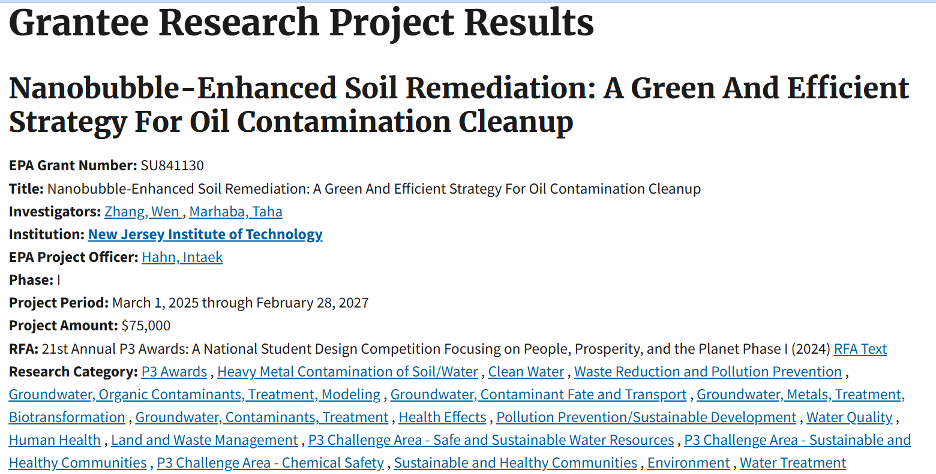
This project embarks on a green soil rinsing or cleaning process using fine bubbles-enriched water to enhance the oil desorption, mobilization and removal from contaminated soil matrix. Nanobubbles in water have repeatedly been reported to exhibit unique physicochemical and fluid dynamic properties that macrobubbles or microbubbles do not have. For example, nanobubbles have a long residence time in water due to their low buoyancy and high stability against coalesces, collapse or burst, and the formation of bulk bubbles. Nanobubbles have a higher efficiency of mass transfer compared to bulk scale bubbles due to the high specific surface areas. The high specific surface also facilitates physical adsorption and chemical reactions in the gas liquid interface. The collapse of nanobubbles creates shock waves, which in turn, promotes the formation of hydroxyl radicals (•OH), which may even promote degradation of organic matters or disinfection under proper conditions (e.g., sonication agitation or UV irradiation). With respect to soil remediation, the high surface areas and hydrophobicity of nanobubbles could effectively adsorb, immobilize and detach soil contaminants such as heavy metals and hydrophobic organic pollutants. Non-toxic gases such as oxygen (O2), carbon dioxide (CO2) or hydrogen (H2) could be used to produce nanobubbles in water for rinsing the contaminated soil. We hypothesize that due to their different redox potentials and chemical impacts, different gaseous nanobubbles may result in different oil-bubble and soil-bubble interactions, which ultimately affect oil removal from contaminated soil. Our prior study discovered that CO2 nanobubbles achieved the highest leaching rate of Pb from soil, followed by CH4 and H2 nanobubbles. Moreover, the CO2 nanobubble water rinse resulted in different leaching kinetics of different metals (Pb, Cu, Zn, and Cr) from the contaminated soil column. Thus, this project will reveal new insights into the oil removal and leaching mechanisms under different conditions and potentially result in a transformative solution to address soil remediation. The research findings will potentially enable a greener soil rinsing process that could reduce or even eliminate the use of synthetic chemicals such as surfactants or solvents that could harm our environment or human health. Besides research efforts, new course modules and research seminars will be developed to integrate the research activities into student engagement and education to showcase our sustainable soil treatment approaches. Undergraduates and graduates in different STEM disciplines (e.g., civil, chemical and environmental engineering) will be invited to participate in these research seminars or the research project tasks under PI’s team’s mentorship.
Objective:
Extensive industrial and agricultural activities as well as wastewater discharge or surface runoff bring tons of pollutants such as heavy metals, organic solvents, chemical fertilizers and pesticides and cause soil pollution. New Jersey, for instance, has many brown sites and superfund sites in the US that are characterized by persistent legacy soil or water contaminants that must be treated to prevent human exposure. Soil remediation is critical to prevent surface water or groundwater pollution, protect human health and improve agricultural product quality. Conventional soil remediation includes soil washing/flushing, thermal desorption, vitrification, photocatalyst and bioremediation, which, however, are relatively expensive, time consuming and chemically intensive. This project aims to develop a green and powerful washing process using nanobubbles water for soil contaminant removal. The project will examine (1) the removal of oil (e.g., diesel and gasoline) from simulated contaminated soil through nanobubble water mixing and washing under various conditions (e.g., sonication and surfactant addition); (2) the mechanisms of interaction between different types of nanobubbles (e.g., CO2 and O3), soil and contaminants. The project findings will provide an insight for novel chemical-free and sustainable soil cleaning technologies for remediation of contaminated soil.
Expected Results:
The anticipated research outputs include peer-reviewed journal articles, conference presentations, soil washing protocols, patent applications and project reports. Moreover, educational activities will be run collaboratively with industrial partners in soil remediation companies. The potential project outcome includes transformative knowledge to alleviate soil contamination in different affected small, rural, tribal and/or underserved communities via devising this novel soil washing technique or process using nanobubbles. Consequently, the soil decontamination can improve human health and well-being and also boost environmental quality, aesthetic values, economic competitiveness. The measure of success is the numbers of peer-reviewed journal publications or presentations, workshop attendance/feedback, industrial collaborations for future pilot studies or commercialization.
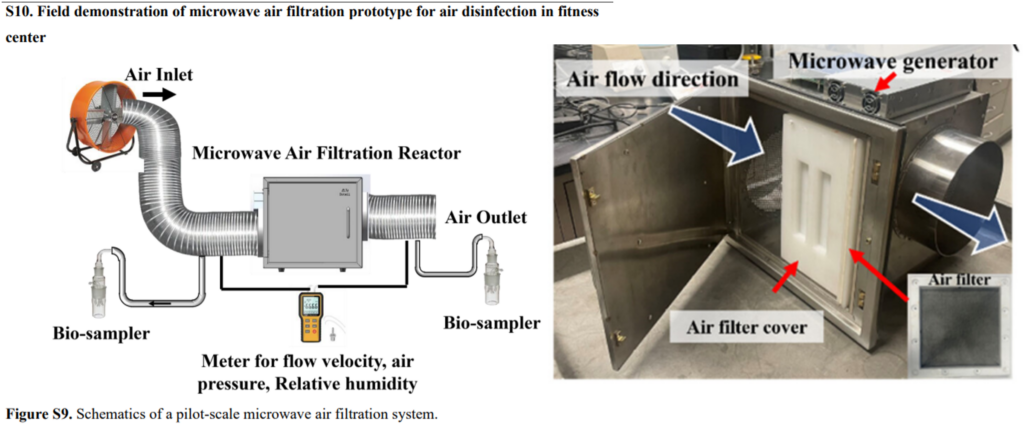
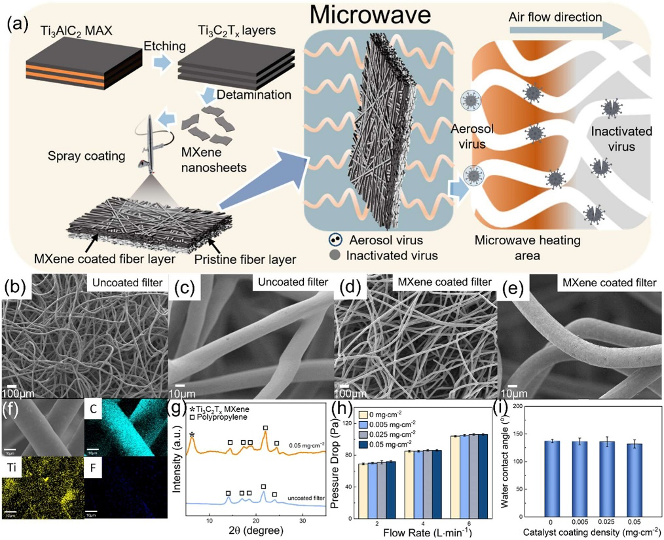
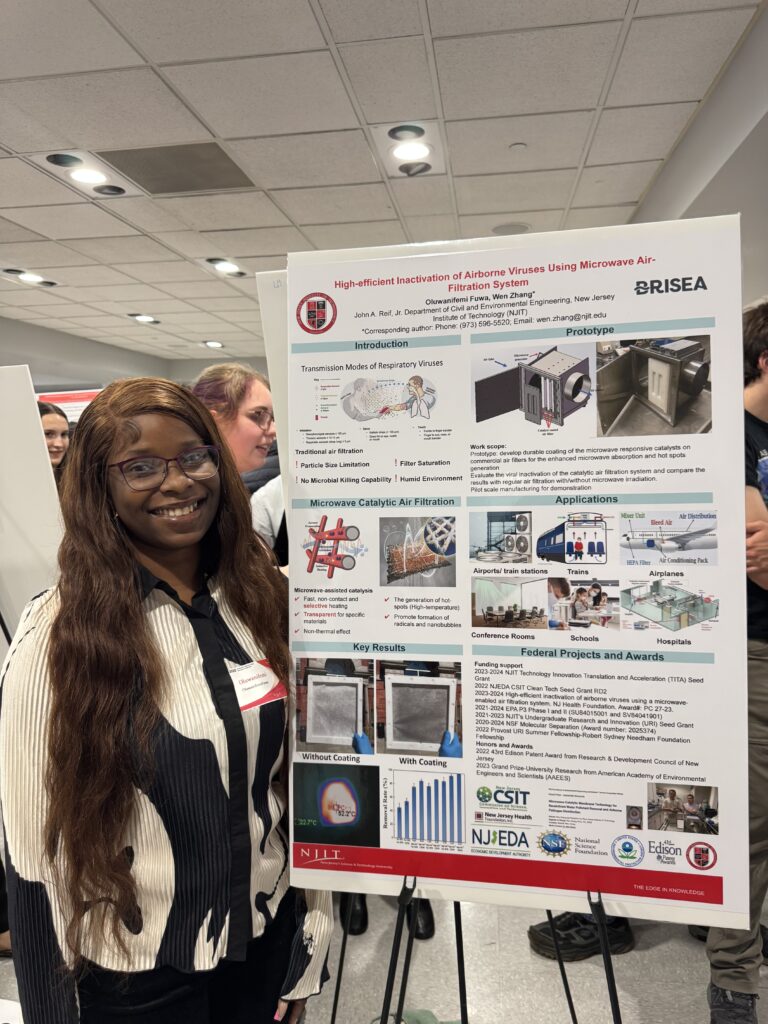
Leveraging the NJIT’s Technology Innovation Translation and Acceleration (TITA) Program Funding in 2022 for developing high-efficient inactivation of airborne viruses using a microwave-enabled air filtration system, Dr. Zhang group recently published a new paper on “Self-Cleaning Microwave-Responsive MXene-Coated Filtration System for Enhanced Airborne Virus Disinfection” in ACS Applied Materials & Interfaces. This study introduces a microwave-enabled catalytic air filtration system using Ti3C2Tx MXene-coated polypropylene filters to enhance air disinfection. With only 0.05 mg·cm–2 of MXene coating, the filter surface temperature rapidly reached 104 °C within 3 s under 125 W microwave irradiation. Such surface heating led to a significantly higher log removal value (LRV) (1.86 ± 0.47) of the MS2 bacteriophage in the synthetic bioaerosol with an initial concentration of 105 PFU·mL–1, compared to 0.24–0.38 achieved by the pristine filter or the MXene-coated filter without microwave irradiation. Additionally, the filter surface exhibited promising self-cleaning behavior, as indicated by the stable viral inactivation and removal efficiency even in high-humidity environments. This innovative air filtration technology shows promising potential for preventing airborne pathogen transmission and protecting public health across diverse environmental conditions and has been applied in the field (e.g., classrooms and gymnastics rooms) as shown in the photos below.
The COVID-19 pandemic sparked public health concerns and urgent demands for technologies to combat transmission of the airborne viruses. The widely accepted, existing methods that have success in preventing infection via airborne transmission include physical filtration to capture and trap the air pollutants, which usually do not inactivate microbial agents such as bacteria or viruses. Moreover, most air filters for residential, commercial, and industrial buildings are designed to only capture large airborne particles, e.g., dusts, mold spores, and bacteria, but not to target viral aerosols that are sub-micrometers in size
Dr. Zhang’s group develops innovative microwave-responsive catalysts that have been incorporated into the air filtration process to inactivate the captured microbial agents. Microwave responsive catalysts coated on commercial HVAC filters can absorb microwave energy and produce “hotpots” and reactive species on filter surface. The high temperature “hotpots” and reactive radical species enhance pathogen disinfection. The preliminary results show that the removal of bacteriophage MS2, a surrogate virus that mimics pathogenic viral properties, could be removed by up to 100% on catalyst coated filters under microwave irradiation. This reactive air filtration system could be used in hospitals, commercial or residential buildings and transportation systems (e.g., train/airplane/ship or stations). Besides viral species, a broad range of pathogens such as mold spores and bacteria in bioaerosols could also be inactivated.
The demand for innovative air purifiers with antibacterial and antiviral capabilities has surged due to the pandemic, especially in hospitals, commercial buildings, and transportation systems. The successful commercialization of this technology has meaningful impacts on the efficient removal of airborne pathogens to reduce the spread of infectious diseases and thus reduce the risk of public health. This new concept or design of microwave-enabled reactive air filtration could foster new business innovation and opportunities for commercialization and economic growth. This program aims to increase the number of new homes, including multi-unit and affordable housing built with ventilation and filtration improvements that reduce the risk of infectious disease transmission indoors. A novel microwave-catalytic air filtration system promises significant improvements in pathogen disinfection, achieving up to 99% viral removal. This technology can help mitigate the spread of infectious diseases, potentially reducing U.S. healthcare expenses by 25% or more. Additionally, it opens up opportunities for business innovation and economic growth.
Selected Funding Sources for this research:
2023-2024 NJIT Technology Innovation Translation and Acceleration (TITA) Seed Grant
2022 NJEDA CSIT Clean Tech Seed Grant RD2
2023-2024 High-efficient inactivation of airborne viruses using a microwave-enabled air filtration system. NJ Health Foundation. Award#: PC 27-23.
2021-2024 EPA P3 Phase I and II grants (SU84015001 and SV84041901)
2021-2023 NJIT’s Undergraduate Research and Innovation (URI) Seed Grant
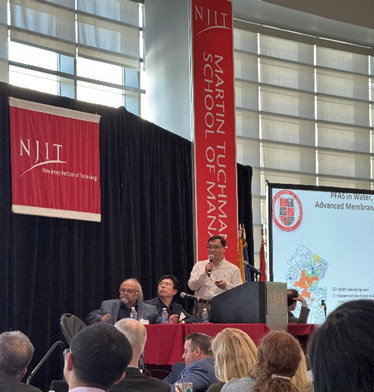
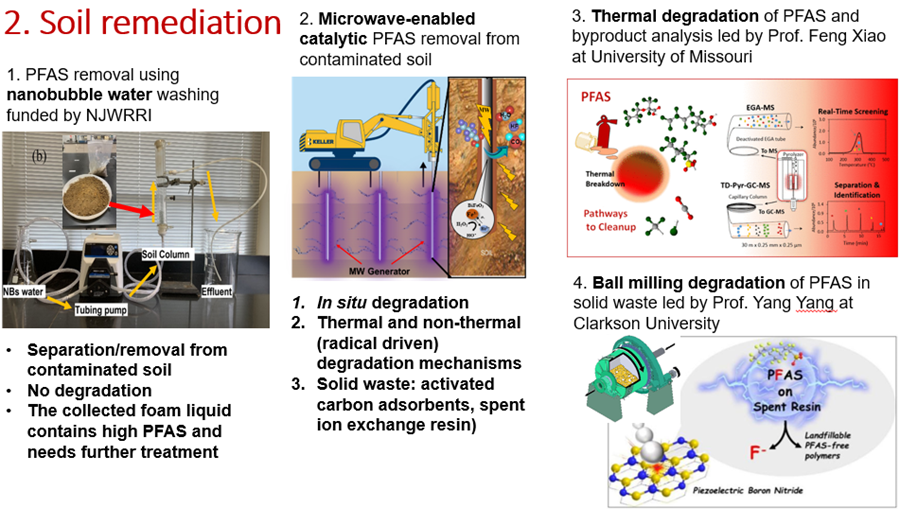
Dr. Zhang was invited to join the distinguished panel discussion and presented a talk on “ PFAS in Water, Soil, and Air: Mitigation Strategies Using Advanced Membrane, Nanobubble, and Effective Monitoring Tools”
His talk summarizes the major research efforts/areas related to PFAS mitigation (See images below) as well as the partnerships with communities and industries for monitoring and management of PFAS in a variety of environmental media, food, and air.
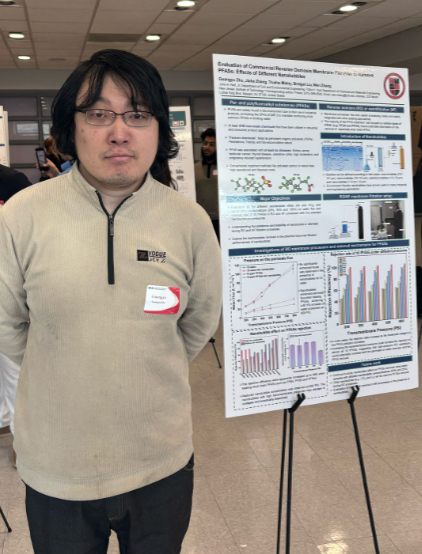
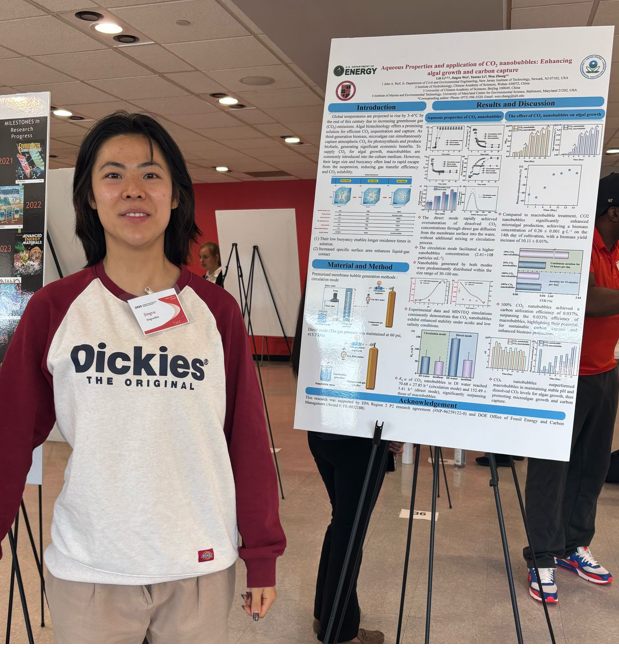
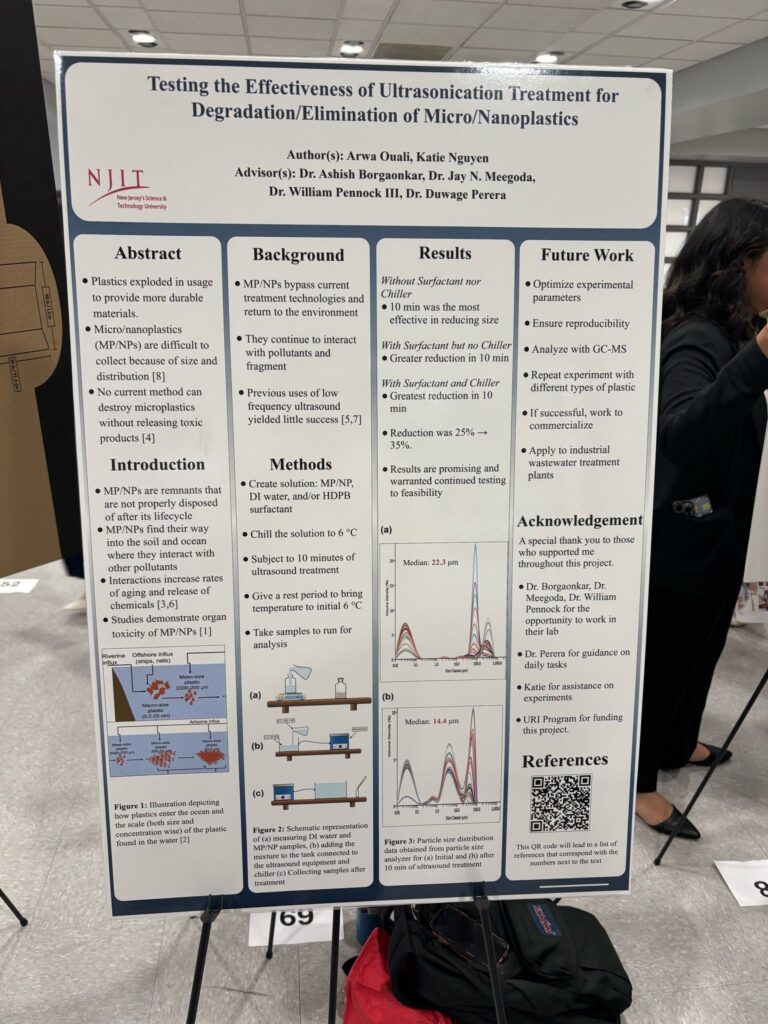
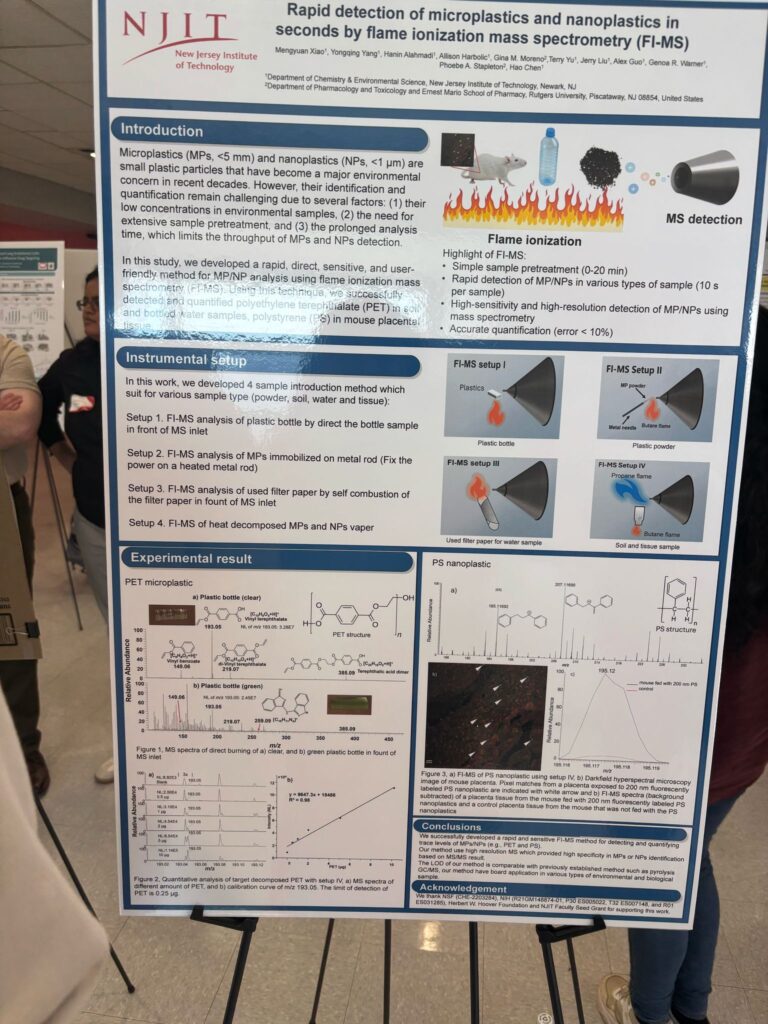
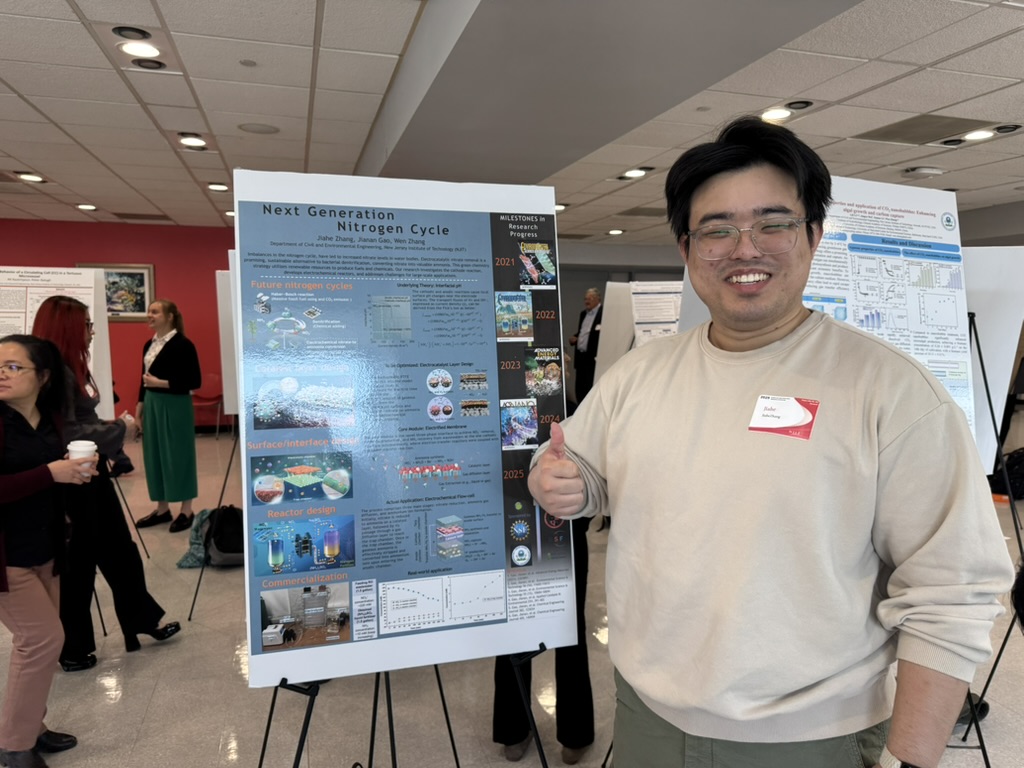
Thirteen students from our group and collaborating teams participated in NJIT’s Dana Knox Research Showcase on April 23, 2025, presenting a diverse range of research topics through poster sessions. Funding sources were duly acknowledged, including NSF/BSF Environmental Engineering (Award number: 2215387 and 2025374), New Jersey Water Resources Research Institute (Award#: G21AP10595-01), NJIT’s Technology Innovation Translation and Acceleration (TITA) Seed Grant seed grant, NOAA Prevention, Control and Mitigation of HABs (PCMHAB) award (NA22NOS4780172), U.S. Environmental Protection Agency under Assistance Agreement No. SU-84086601-0, United States Bureau of Reclamation (USBR) research grant (agreement#: 13761566), New Jersey Health Foundation (Award#: PC 27-23), ACS Petroleum Research Fund (PRF # 68417-ND9), This research was supported by EPA Region 2 P2 research agreement (#NP-96259122-0) and DOE Office of Fossil Energy and Carbon Management (Award #: FE-0032188).
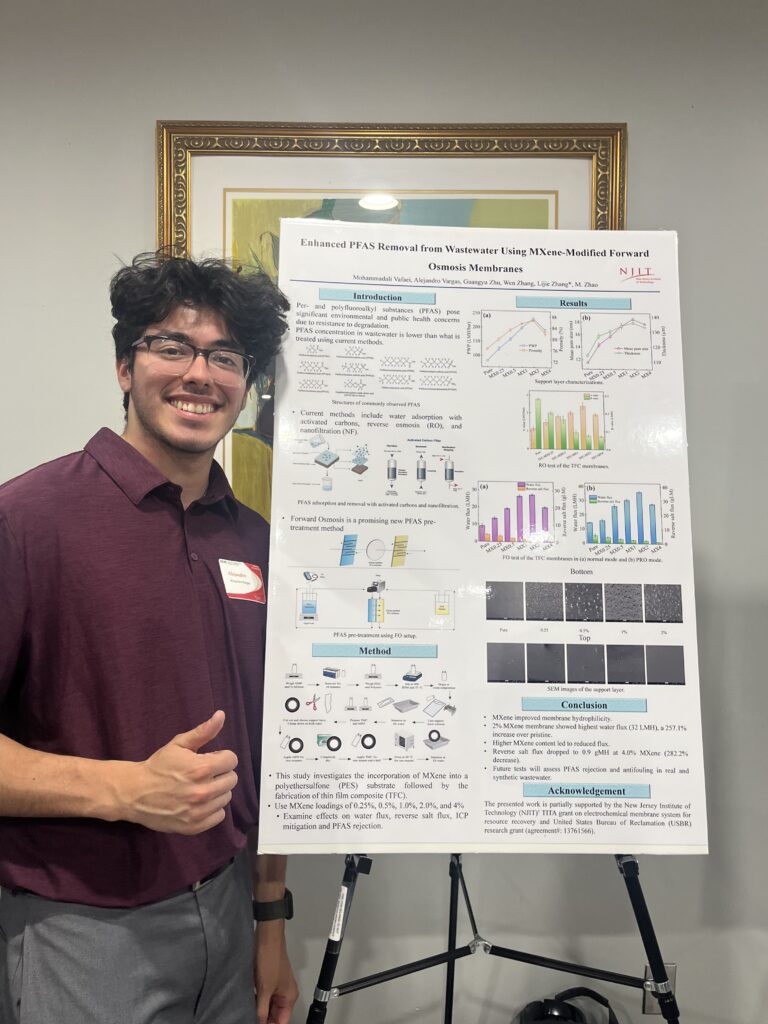
Alejandro Vargas (undergraduate student from Department of Chemical and Materials Engineering): Enhanced PFAS Removal from Wastewater Using MXene-Modified Forward Osmosis Membranes
Mohammadali Vafaei (Ph.D. student from Department of Chemistry and Environmental Science): Enhanced water flux and dewatering using electric-magnetic-responsive hydrogels as draw agents for forward osmosis
Guangyu Zhu (Ph.D. student from Department of Civil and Environmental Engineering):Effects of Nanobubbles on Membrane Rejection of PFAS and Fouling in Commercial Reverse Osmosis (RO) and Nano-filtration (NF) Processes
Haodong Jia (Ph.D. student from Institute of Resources and Environmental Engineering, Shanxi University): Copper-based layered metal catalysts with rich oxygen vacancies for efficient degradation of phenolic pollutants via peroxymonosulfate activation under high salinity conditions
Sowmya Atukuri (master student from Department of Chemistry and Environmental Science): Evaluation of Colloidal Behavior of Nanobubbles under Mechanical and Centrifugal Stress for Environmental Applications
Md Mohidul Alam Sabuj (Ph.D. student from Department of Chemical and Materials Engineering): 2D Molybdenum Disulfide-Based Field Effect Transistor Nanosensors for Harmful Contaminants Detection in Water
Lai Wei (Ph.D. student from Department of Chemistry and Environmental Science): Zirconium-modified biotite as a dual adsorbent for orthophosphate and phosphonate: implications for reverse osmosis concentrate treatment
Oluwanifemi Fuwa (undergraduate student from Department of Civil and Environmental Engineering): High-efficient inactivation of airborne viruses using a microwave-enabled air filtration system
Jingru Wei (Ph.D. student from Department of Civil and Environmental Engineering): Aqueous properties and applications of CO₂ nanobubbles: enhancing algal growth and carbon capture
Yajing Li (Ph.D. student from Department of Civil and Environmental Engineering): Nanobubble-enriched hydrogels for sustainable agriculture: enhancing water and nutrient delivery to boost plant growth
Yihan Zhang (Ph.D. student from Department of Civil and Environmental Engineering): Nanobubble-enabled Foam Fractionation to Remove Algogenic Odorous Micropollutants
Shreejitha Kanduri (undergraduate student from Hiller College of Architecture & Design): Ammonia Recovery from Wastewater containing Nitrate and Ammonia using Integrated Electrochemical Membrane Flow Reactor
Jiahe Zhang (Ph.D. student from Department of Civil and Environmental Engineering): Ammonia Recovery from Wastewater containing Nitrate and/Ammonia using Integrated Electrochemical Membrane Flow Reactor