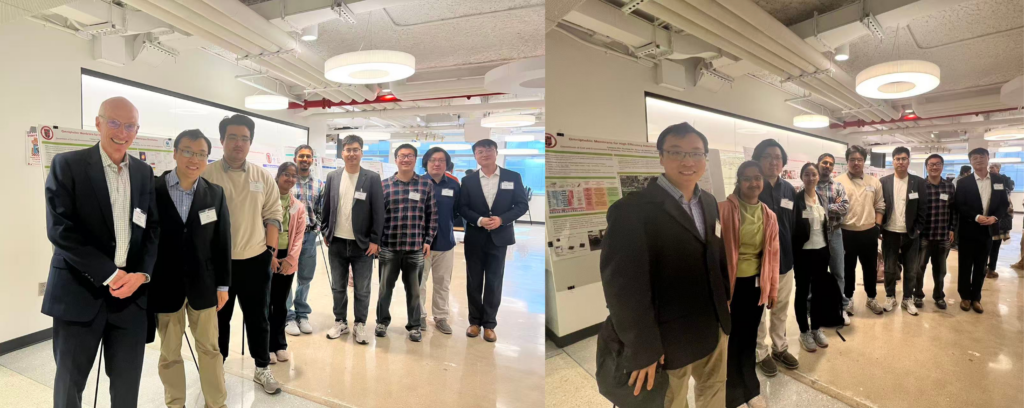
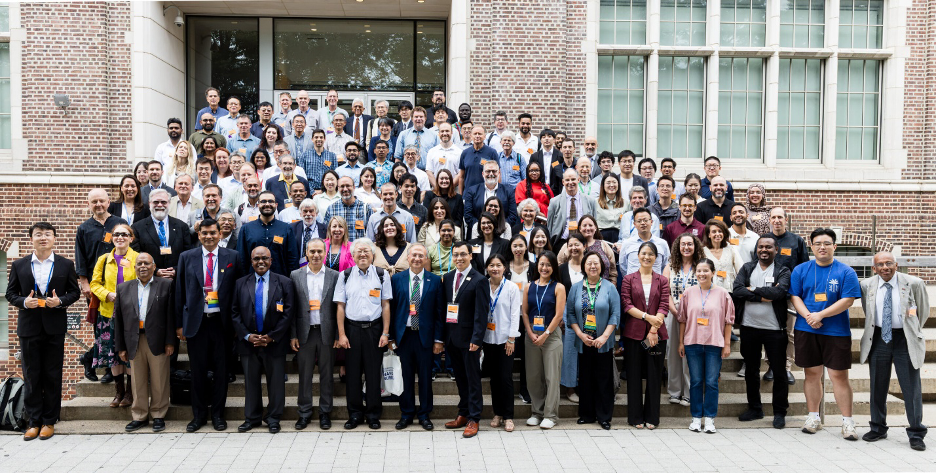
Finally, I have time to settle down and write this up to appreciate the privilege to host the 2026 International Conference on Nanobubbles, Nanodroplets, and Their Applications (Nanobubble 2026) at New Jersey Institute of Technology (NJIT), August 19–21, 2026. This was the 7th meeting in the international Nanobubble Conference series and the first time the conference was held in the United States, following previous meetings in France, China, Australia, Germany, and Japan.
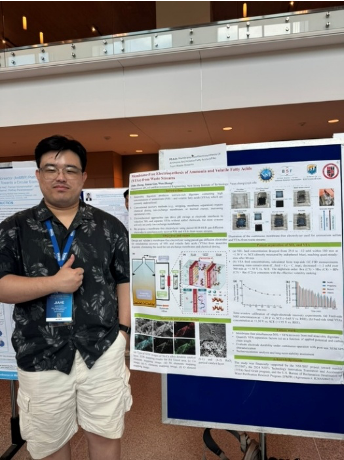
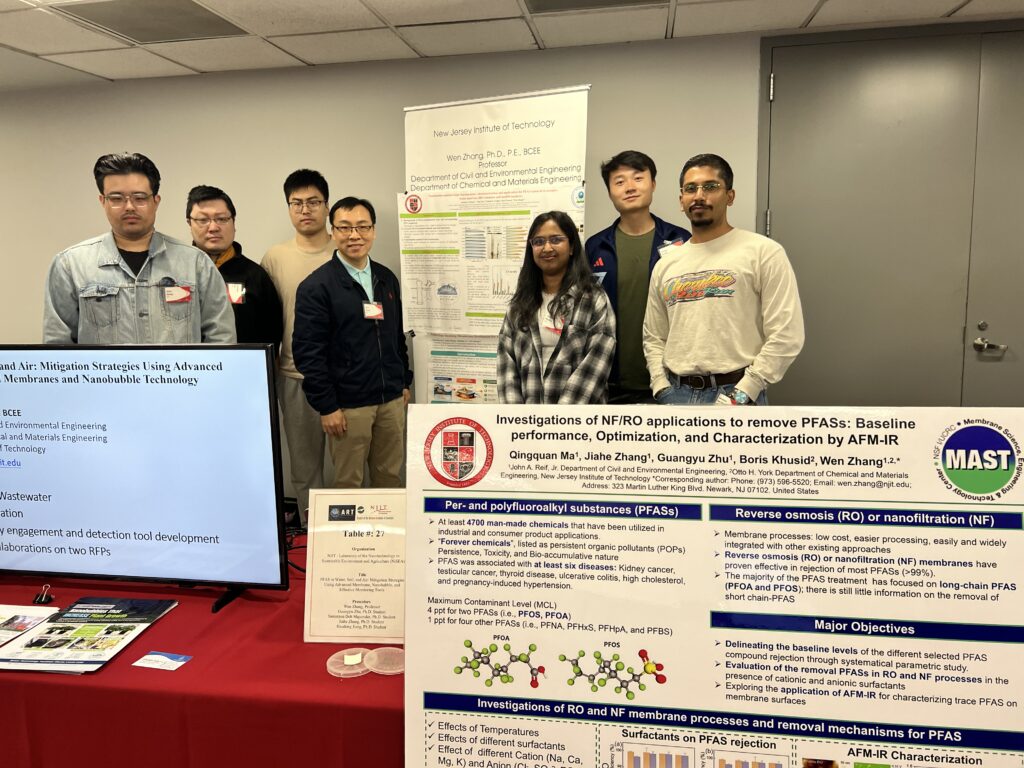
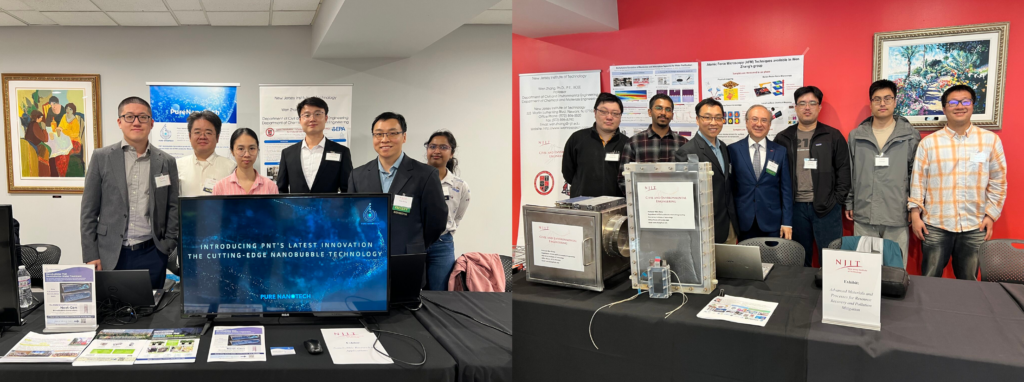
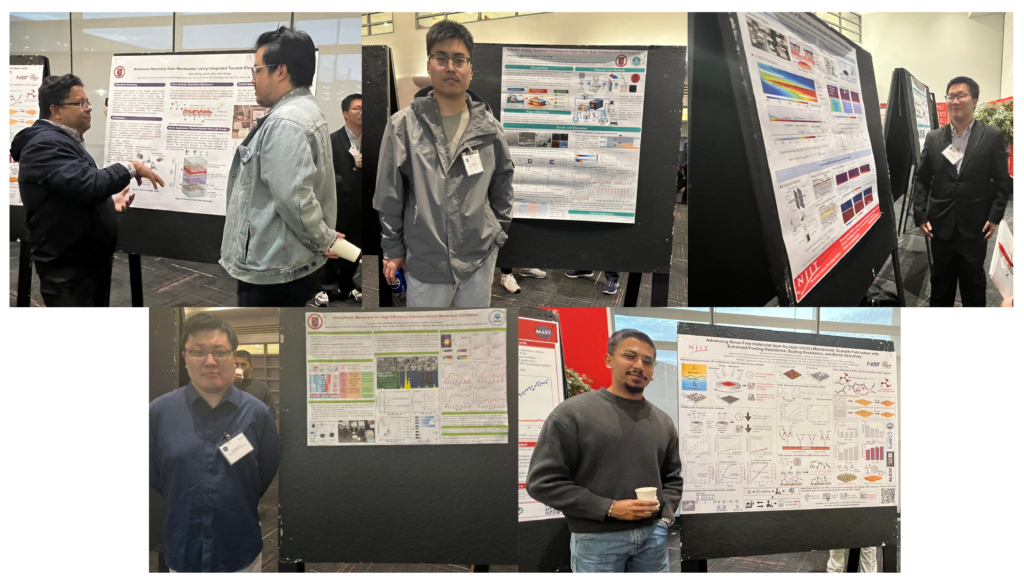
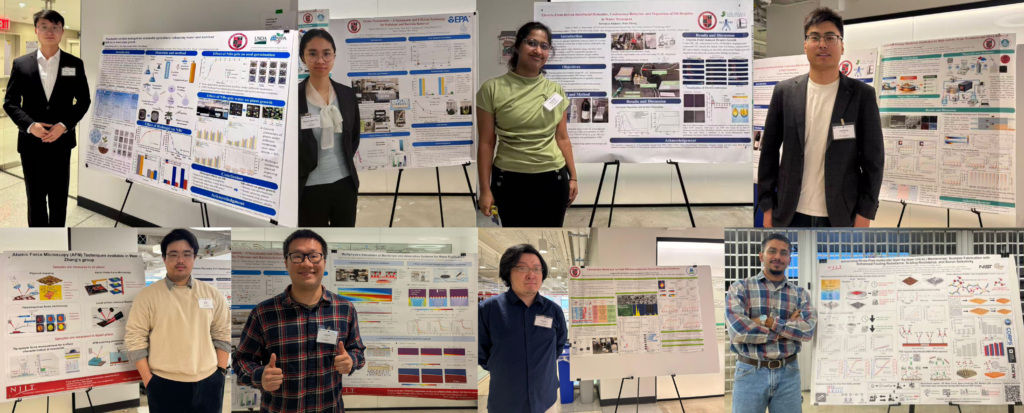
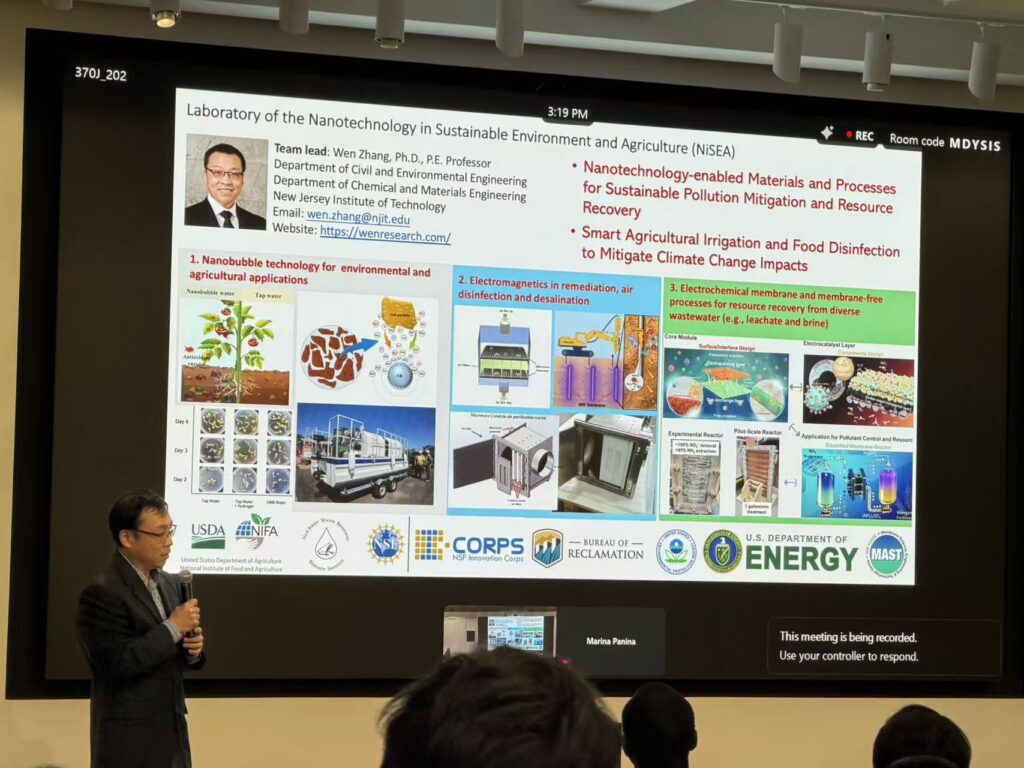
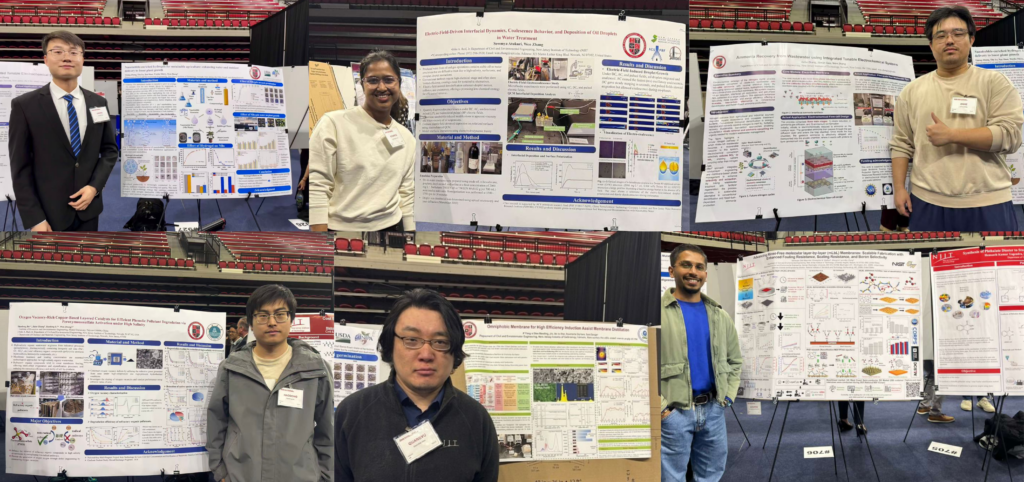
We were delighted to welcome more than 140 participants representing 70+ universities, research institutions, companies, and organizations from 17 countries and regions (https://nanobubble2026.com/dynamic-conference-moments/). The scientific program included more than 80 plenary, oral, and industry presentations and approximately 20 posters, spanning nanobubble formation and stability, interfacial science, measurement and characterization, water and wastewater treatment, agriculture, environmental remediation, electrochemistry, carbon capture, energy, biomedical applications, and industrial scale-up.
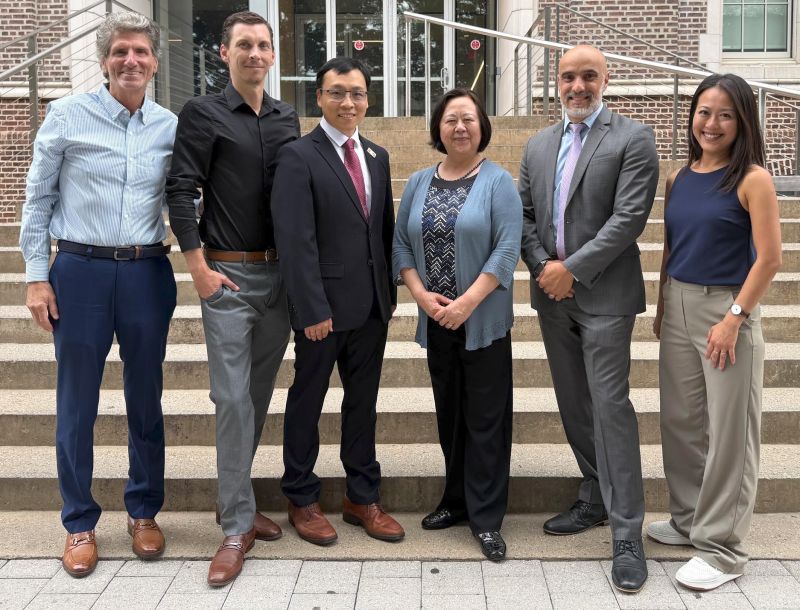
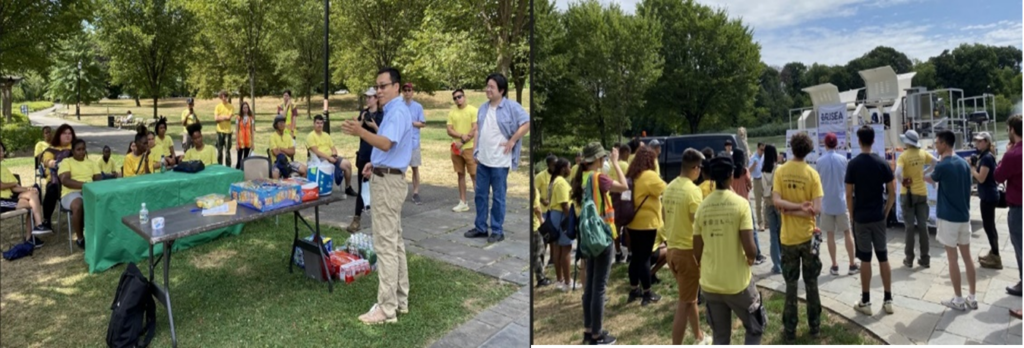
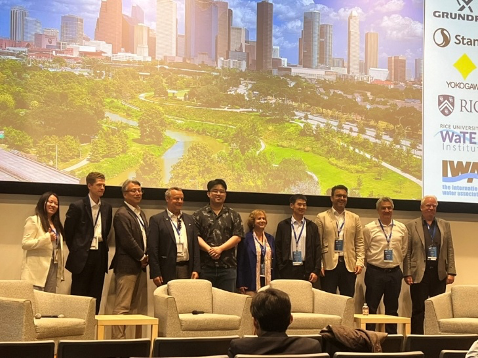
I am deeply grateful to my conference co-chairs, our domestic and international scientific committees, plenary and invited speakers (Prof. Richard Zare, Dr. Ashutosh Tiwari, DPhil, DSc, FIAAM, Neelkanth Nirmalkar, Yoshikatsu Ueda, Niall English, Susana Kimura Hara, Pan Li, Takehiko SATO, Samir Khanal, Onur G. Apul, James C. (Jim) Earthman, Ing-Shouh Hwang, Sergi Garcia-Segura, Tao Lyu and Jianbing Li), session moderators, presenters, sponsors, exhibitors, staff, student volunteers, and every attendee who traveled from near and far to participate. We were also honored to receive opening remarks from NJIT Interim President Dr. John Pelesko A. Pelesko and Interim Provost Dr. Moshe Kam, whose support made this international gathering especially meaningful.
Another important development surrounding this year’s conference was the establishment of the North American Ultrafine Bubble Association (NAUFBA). Founded in 2026 by stakeholders in the U.S. nanobubble industry who are also involved in ISO/TC 281, NAUFBA aims to promote healthy market development and greater awareness of ultrafine-bubble generation, characterization, and applications. The founding NAUFBA Board of Directors includes: Yuhong Jiang, Pure NanoTech — President, Ragy Ragheb, Malvern Panalytical — Treasurer Seth R. Connell, Nanu Water Tech — Secretary, Sohail Akhter, Moleaer, Julie Y. C., HORIBA, michael radicone, I2 Air Fluid Innovation, Claire Schmit, Messer-US and myself. I am pleased that NJIT is one of the organizations represented on this founding board, and I look forward to working with colleagues across academia and industry to help advance scientifically sound and sustainable development of ultrafine-bubble technologies in North America.